
One line from this chapter keeps sticking with me:
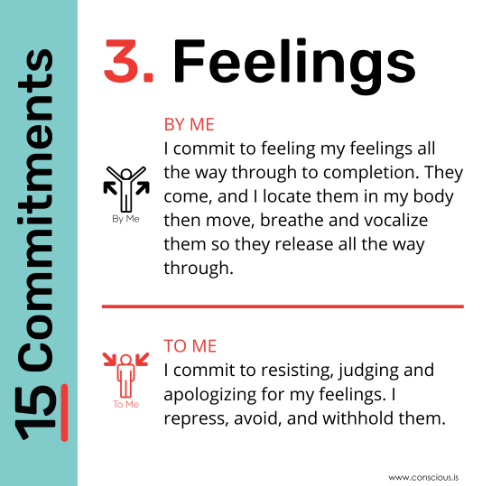
“Conscious leaders commit to feeling their feelings all the way through to completion.”
Sometimes I read that and think, Cool… but how does that help when I’m in the middle of actual leadership moments? The kind with real problems, real people, real pressure, and real consequences.
Here’s where it clicks.
You’re in a meeting or a treatment session that should be straightforward. A decision. A change. A hard conversation. Everyone is being “professional.” Or worse… nice. Calm voices. Reasonable language.
But you can feel the tension in the room.
Or the unfortunate classic: the meeting ends… and the real meeting happens afterward in the hallway, lunchroom, or another virtual room.
On the surface, it looks like a communication issue. Underneath, it’s usually something else: people don’t want to risk approval, control, or safety.
This chapter helps to reframe that.
It’s not that feelings are getting in the way of good leadership. It’s that unfelt feelings are already driving the conversation, just from behind the scenes.
I’ve seen this show up clearly in hiring.
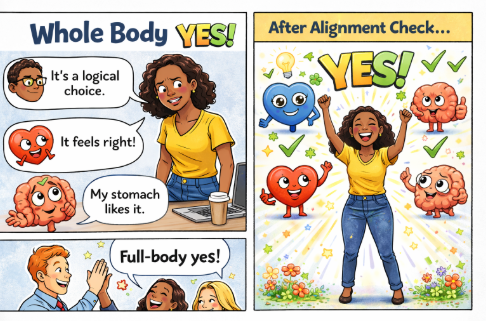
On paper, everything looked right. Strong résumé. Solid interview. The references checked out. Many of you have seen this. Intellectually, it's a “yes.” But there was something subtle that felt off, a small sense of unease that didn’t quite have words. Instead of slowing down and feeling that through, I pushed ahead.
In this case, we ended up terminating early — ugh. It’s one of those situations no leader ever wants to navigate. It costs time, energy, and emotional bandwidth, and it ripples through the team far beyond the original decision.
What followed was far more costly than the pause I didn’t take: time, energy, awkward conversations, disruption to the team, and the work of both making and undoing the decision.
Nothing was wrong with the process. What was missing was listening to the data that didn’t show up on paper.
“Conscious leaders commit to feeling their feelings all the way through to completion.”
Sometimes I read that and think, Cool… but how does that help when I’m in the middle of actual leadership moments? The kind with real problems, real people, real pressure, and real consequences.
Here’s where it clicks.
You’re in a meeting or a treatment session that should be straightforward. A decision. A change. A hard conversation. Everyone is being “professional.” Or worse… nice. Calm voices. Reasonable language.
But you can feel the tension in the room.
- It gets sharp.
- It goes quiet.
- Over-explaining starts.
- Someone avoids naming the real issue.
Or the unfortunate classic: the meeting ends… and the real meeting happens afterward in the hallway, lunchroom, or another virtual room.
On the surface, it looks like a communication issue. Underneath, it’s usually something else: people don’t want to risk approval, control, or safety.
This chapter helps to reframe that.
It’s not that feelings are getting in the way of good leadership. It’s that unfelt feelings are already driving the conversation, just from behind the scenes.
I’ve seen this show up clearly in hiring.
On paper, everything looked right. Strong résumé. Solid interview. The references checked out. Many of you have seen this. Intellectually, it's a “yes.” But there was something subtle that felt off, a small sense of unease that didn’t quite have words. Instead of slowing down and feeling that through, I pushed ahead.
In this case, we ended up terminating early — ugh. It’s one of those situations no leader ever wants to navigate. It costs time, energy, and emotional bandwidth, and it ripples through the team far beyond the original decision.
What followed was far more costly than the pause I didn’t take: time, energy, awkward conversations, disruption to the team, and the work of both making and undoing the decision.
Nothing was wrong with the process. What was missing was listening to the data that didn’t show up on paper.


Nanaimo... we’re coming!